What if memories
could be felt again?
A speculative neurotechnology brand designing emotional reconnection through immersive sensory experience, for people who have lost access to the activities that once defined them.
- Speculative Design
- Neurotechnology
- Brand Identity
- UX Strategy
- Tools
- Figma · React · Branding · Motion
01 Problem
The Human Problem
Every day, thousands of people live with the memory of sensations they can no longer feel.
Not the event. The feeling. The cold rush of a mountain descent. The weightlessness of open water. The rhythm of a run through morning fog.
Physical disability, acquired or degenerative, severs more than mobility. It severs the language the body once used to speak.
1.3B
People living with significant disability globally
70%
Report sensory loss as their most defining deprivation
02 Process
Process rooted in empathy.
- 01
Research & Empathy
Interviews and observation with people living with physical disabilities. Identifying the emotional gap, not the functional one.
- 02
Concept Development
Speculative technology framework. Defining the donor system concept. Brand positioning and narrative strategy.
- 03
Visual Identity
Logo system exploration. Typography pairing. Color strategy tested across dark and ambient environments.
- 04
Digital & Physical
Simultaneous design of the digital interface and physical product language. Coherence across all touchpoints.
- 05
Exhibition Preparation
Adapting the narrative for academic and design audiences. Physical artifacts and presentation materials.
Sense Eco. A system, not a device.
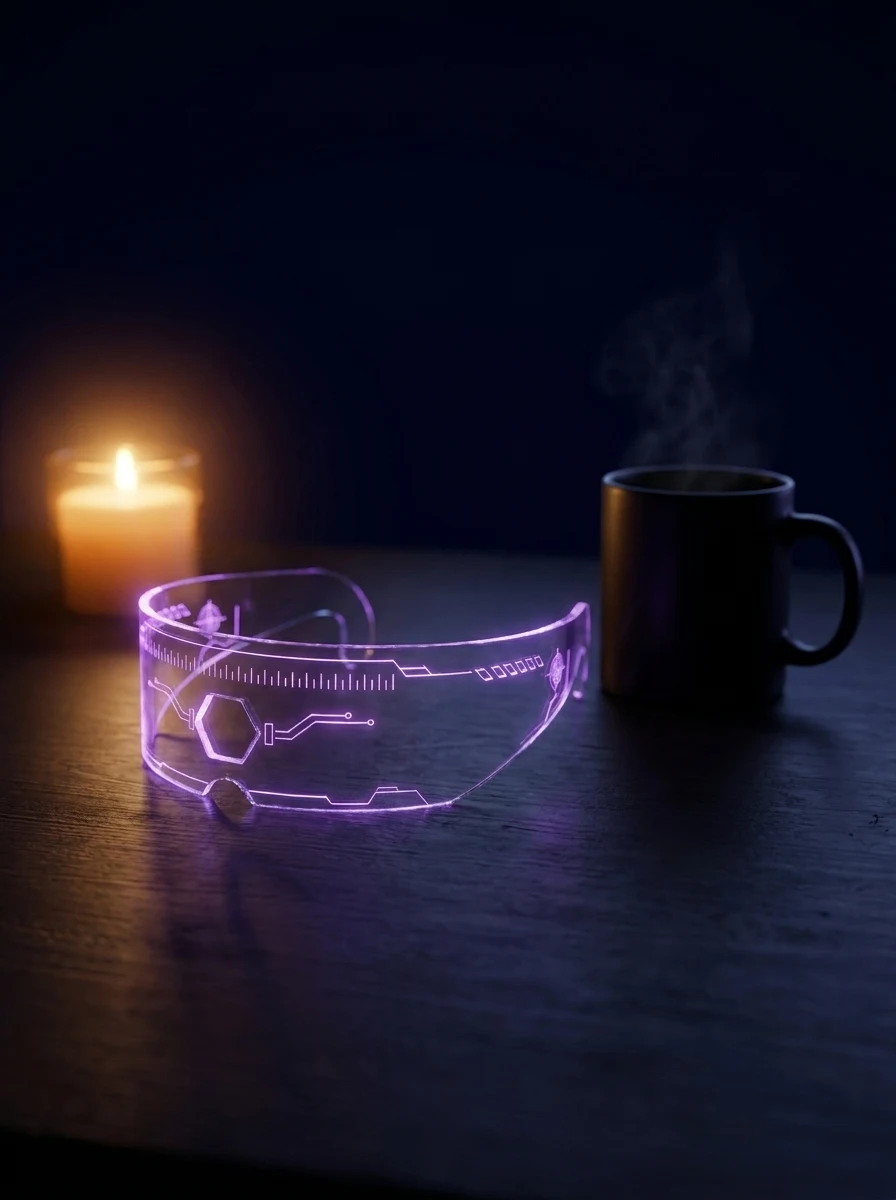
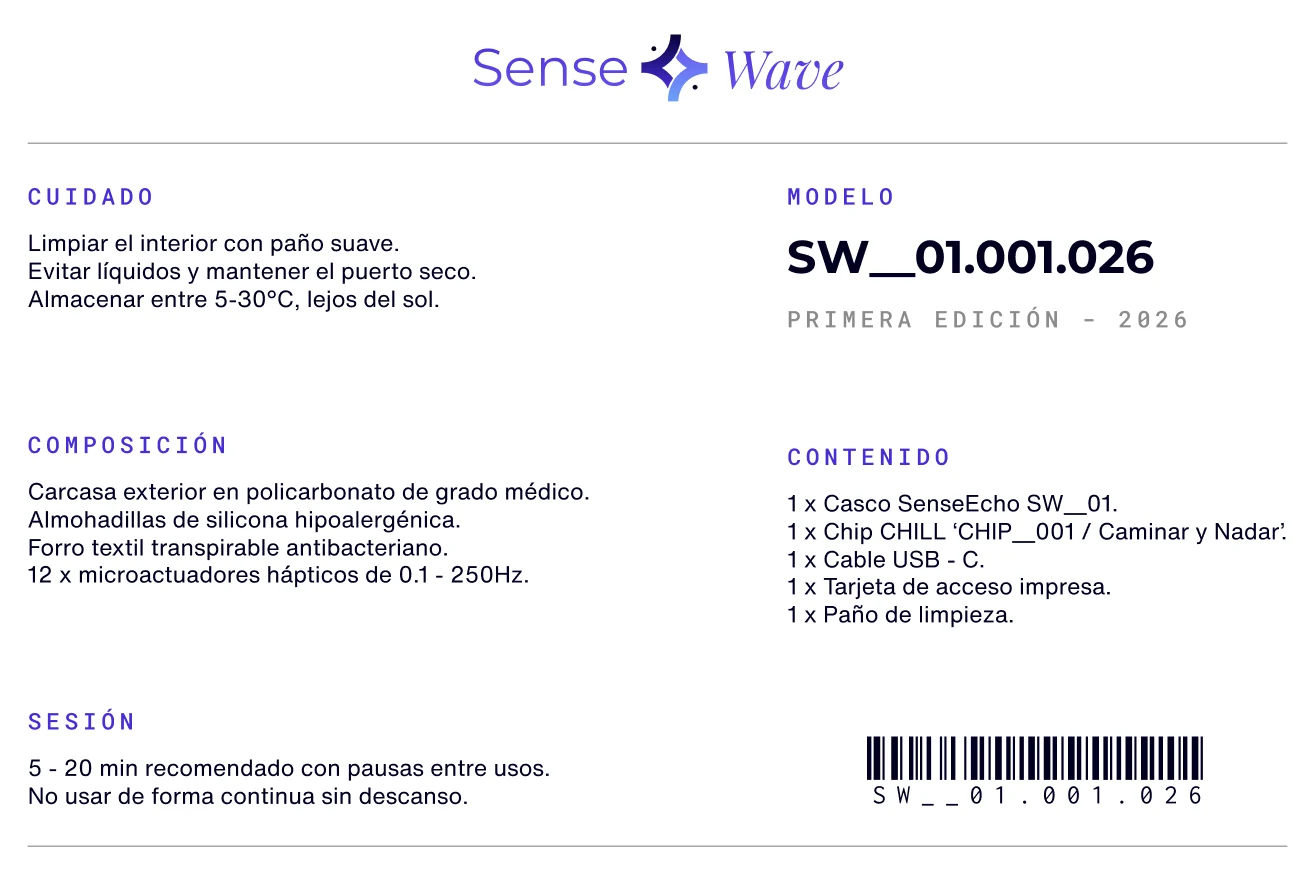
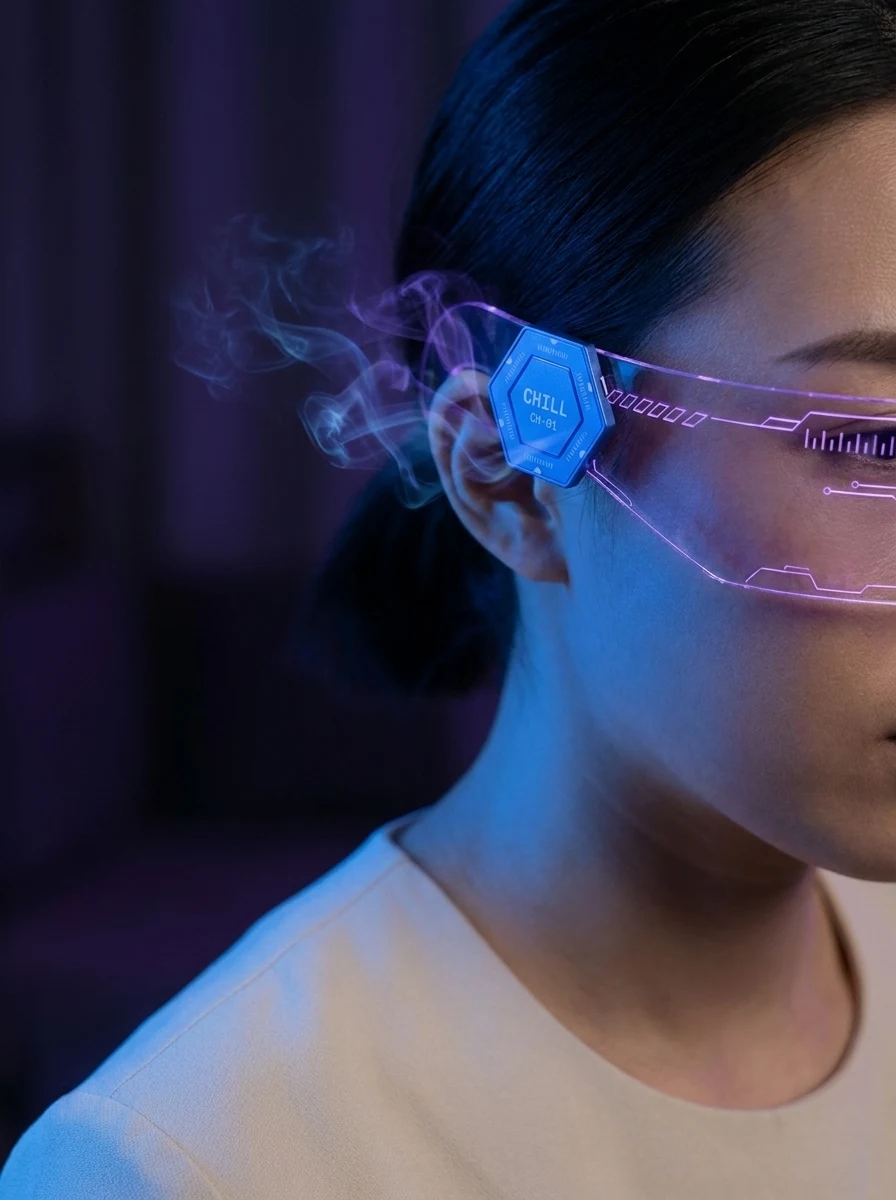
SenseWave combines two technologies working in concert. The Sense Eco glasses serve as the interface layer. A proprietary chip system bridges the digital signal with neural memory.
Ambient Sensation Layer
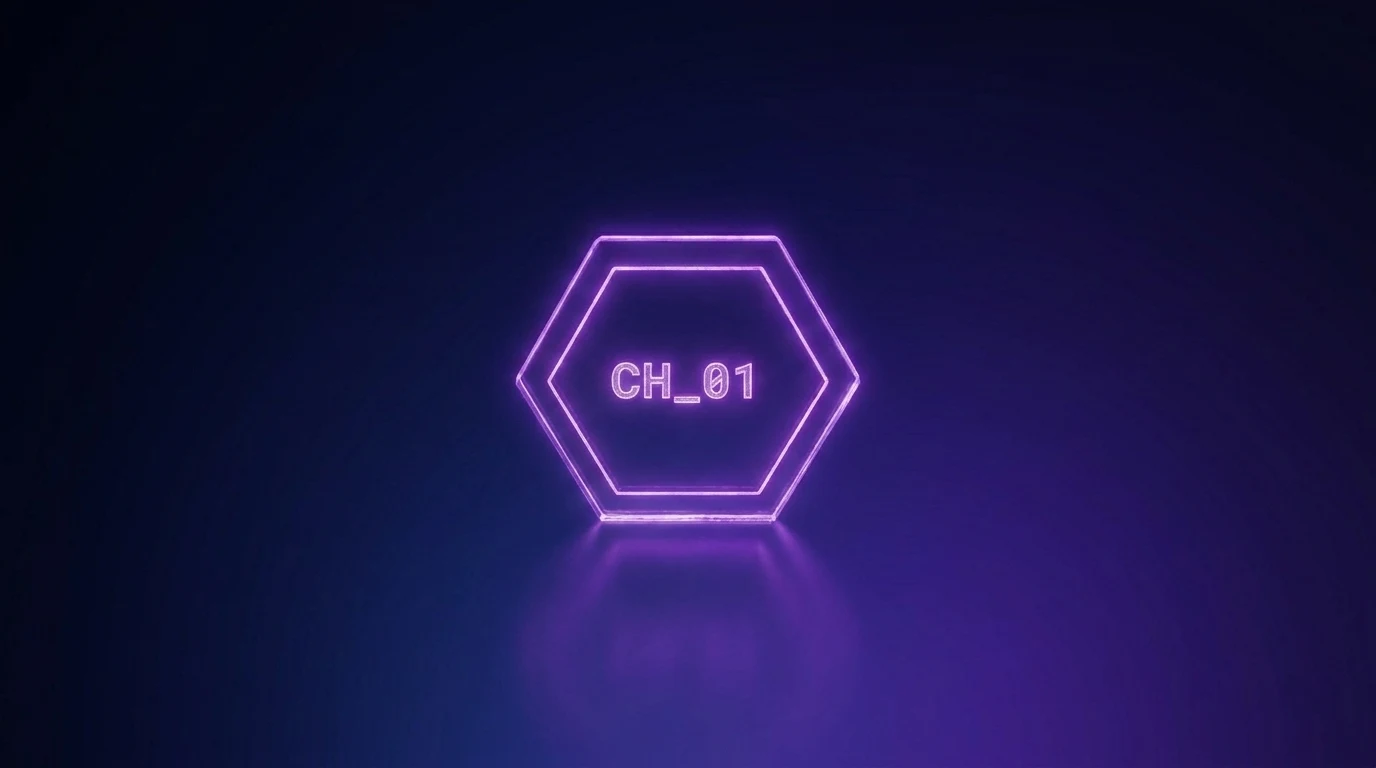
Chill Chip
Processes low-intensity sensory data: temperature shifts, wind, ambient pressure. Translates continuous environmental context into background neural signal.
Dynamic Experience Layer
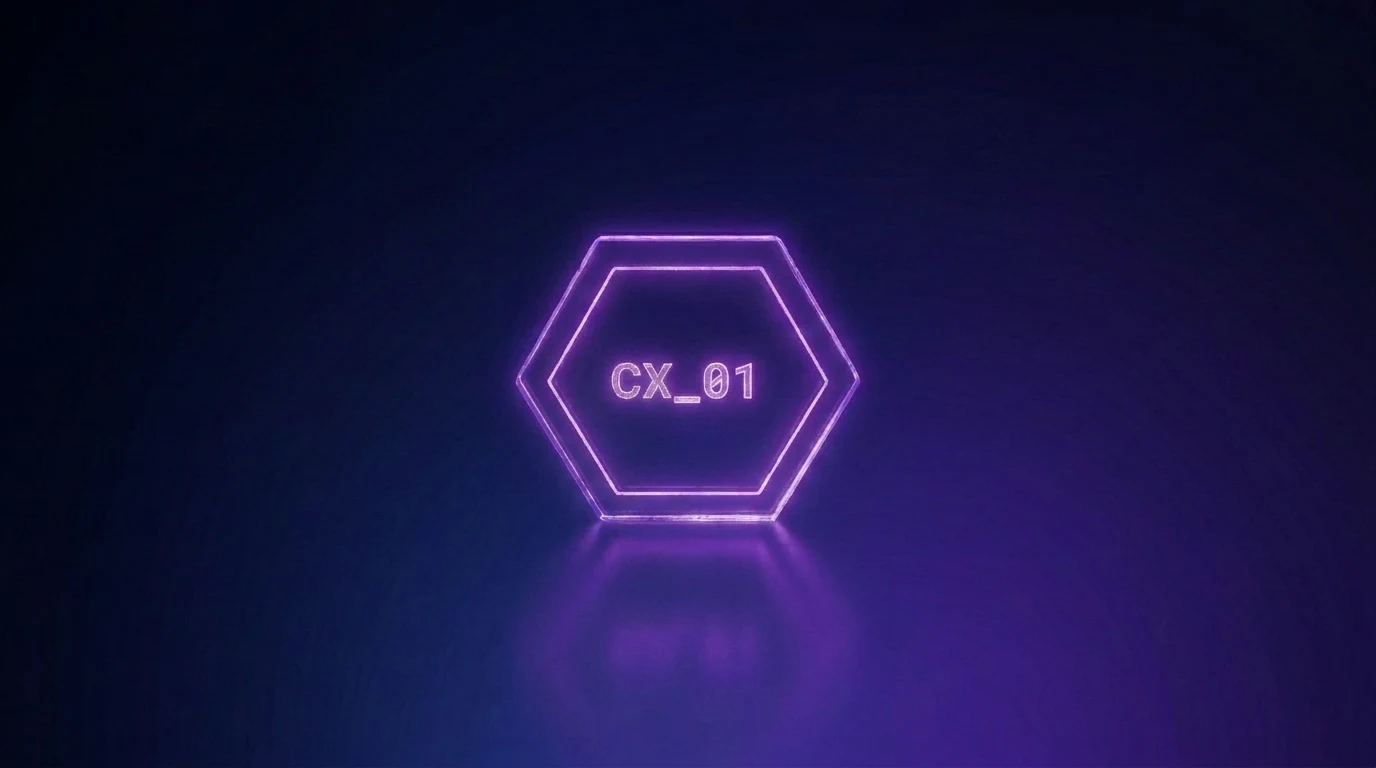
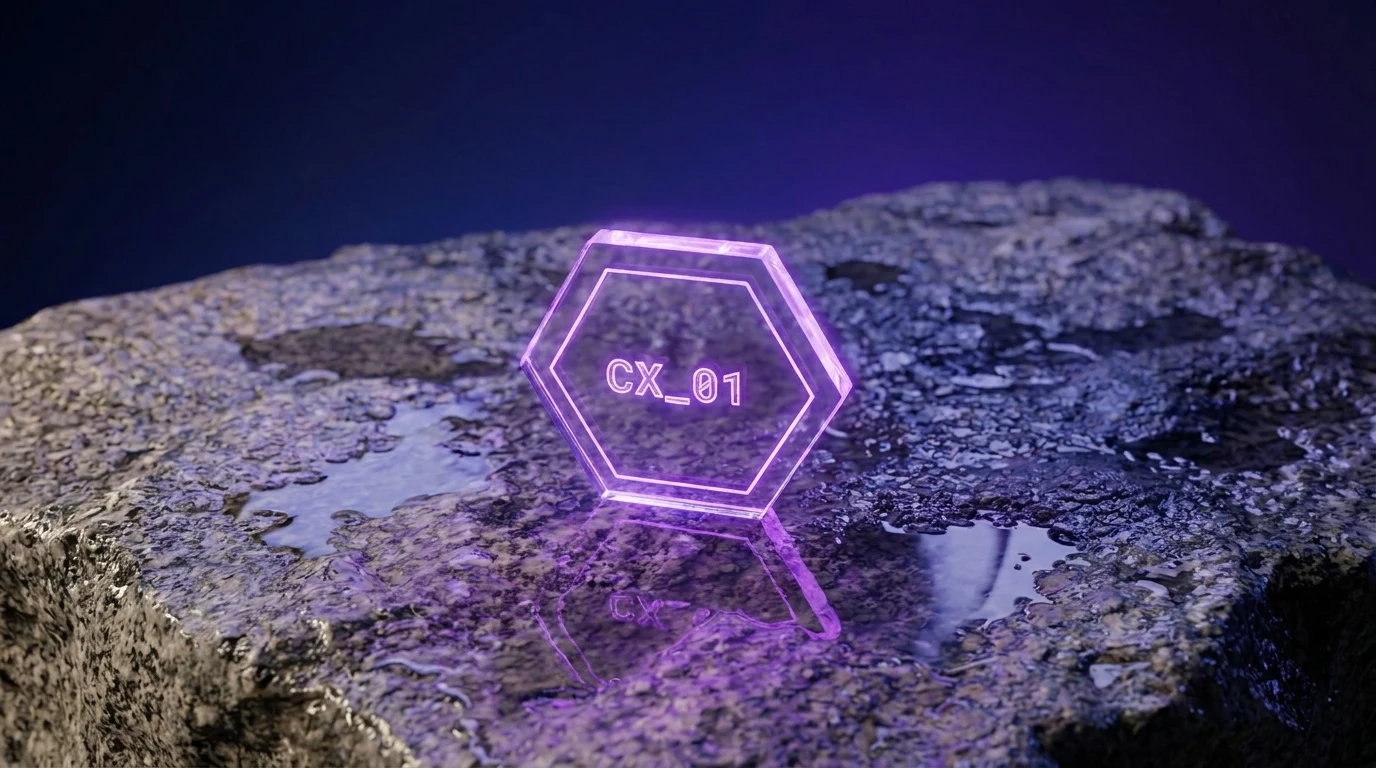
Complex Chip
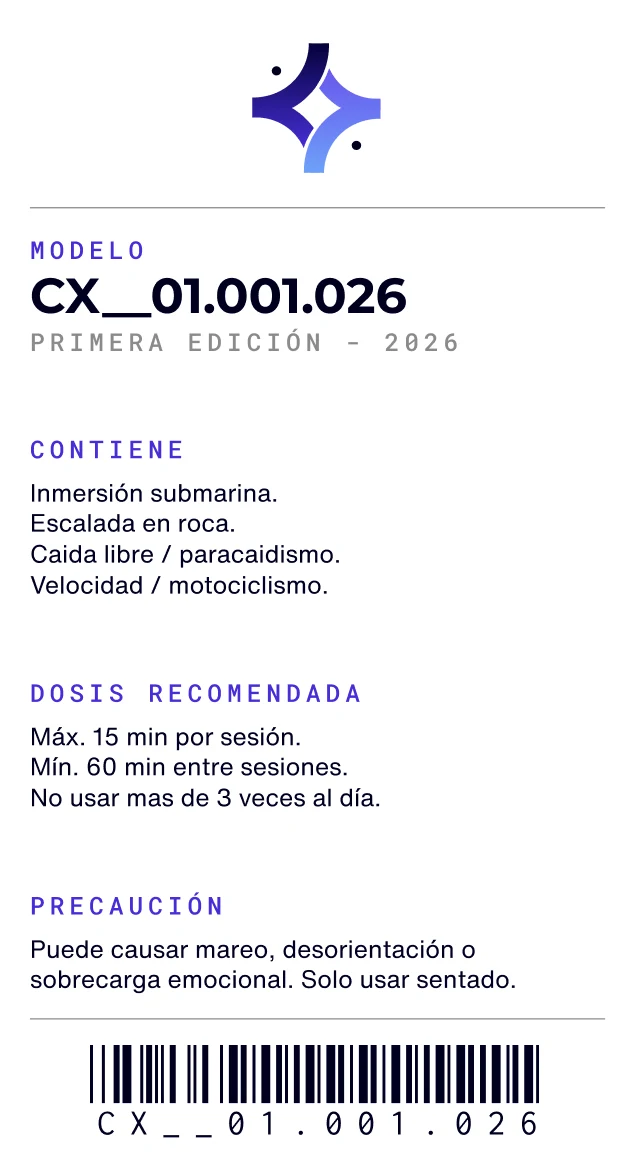
Handles high-fidelity multi-sensory data: proprioception, kinesthetic feedback, muscle memory replay. The difference between awareness and lived experience.
03 Decisions
Experiences donated. Memories shared.
What makes SenseWave unique is not the technology. It is the source. Real individuals voluntarily recording and sharing their sensory experiences, not as data, but as gifts.
- ○
The Donor
An athlete, a dancer, a swimmer: anyone with a meaningful sensory experience they wish to share with someone who has lost access to it.
- ◇
The Exchange
Experiences are recorded through the Sense Eco system, verified for quality, and anonymized before entering the library.
- ●
The Recipient
Receives a curated sensory library. Not simulation: a genuine imprint from a real person, freely given.
Identity built on empathy.
SenseWave's visual language is intentionally quiet. The brand steps back, allowing the human story, not the technology, to take center stage. Every element serves the emotional narrative.
Color System
- Deep SpaceBackground
- SurfaceSurface
- PeriwinklePrimary Accent
- Soft VioletSecondary
- Cool WhiteText Primary
Typography · Display
Feel it again.
Emotional reconnection through design.
- Display
- Libre Baskerville
- UI / Body
- Roboto Mono
An interface as quiet as the experience.
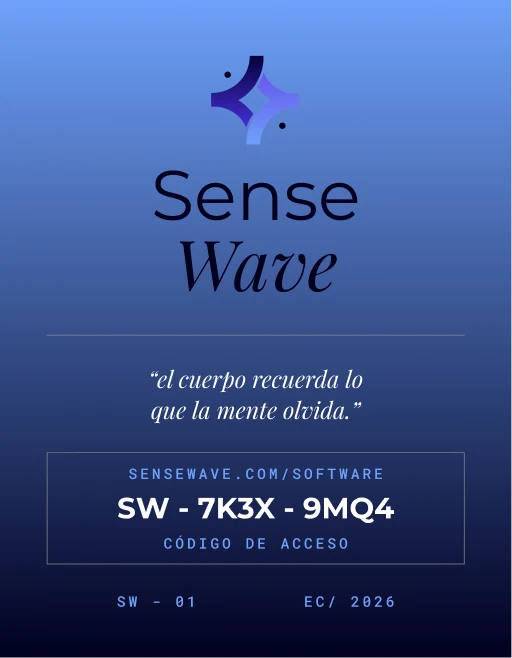
The SenseWave digital product is designed to disappear. The UI serves the narrative, not the technology, drawing users into the experience rather than the interface.
04 Result
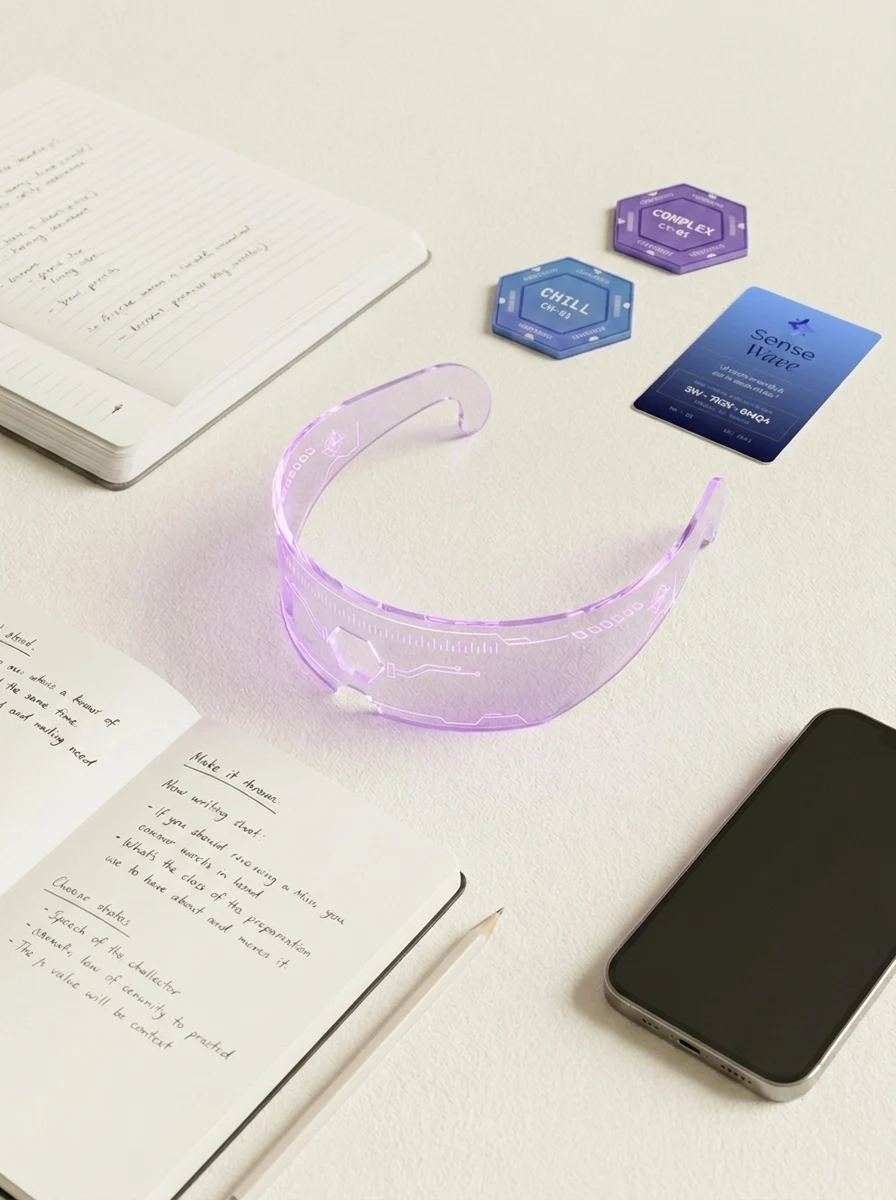
Objects that carry memory.
Final Reflection
The most powerful technology is the one that makes you forget it's there.
SenseWave taught me that speculative design is most powerful when it asks human questions, not technological ones. The brand is not about what the technology can do: it's about what it means to someone who has been waiting to feel alive again.
This project reshaped how I think about emotional design: that the interface should serve the moment of connection, not interrupt it.
Next case